Why dogs sleep better in a pack — and live longer because of it
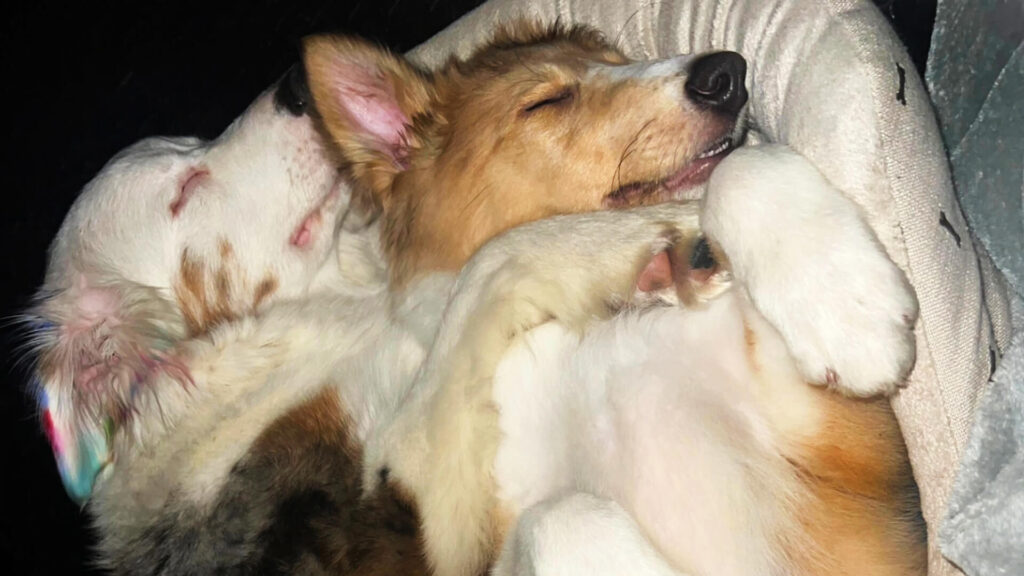
If you’ve ever watched a litter of puppies sleep — piled on top of each other, limbs tangled, twitching through dreams — you’ve witnessed something that goes back tens of thousands of years. Pack sleeping is a cute habit, and part biology.
Like dogs, wolves also like to sleep together, with their limbs and backs touching each other. Pack sleeping builds community, promotes safety, and releases endorphins. It’s natural for canines in the same way it was once natural for humans — early people slept in groups too, for warmth, safety, and social bonding. That ancient instinct is still there, even when it’s time for a dog to board overnight.
What happens in the brain during social sleep
When dogs play, rest, and sleep alongside other dogs, their brains are doing something remarkable. Dog-to-dog interaction is one of the richest endorphin triggers in canine neuroscience. These endorphins help calm the nervous system, reduce stress hormones, and set the stage for deeper, more restorative sleep.
The chemistry doesn’t stop at endorphins. Social contact with other dogs also elevates oxytocin (the bonding hormone), serotonin (the mood stabilizer), and dopamine (the reward signal). Together, these reduce anxiety, lower cortisol levels, and promotes the kind of emotional balance that healthy sleep requires.
Cage-free means more than no kennels
In a caged environment, the social cues dogs rely on (proximity, warmth, movement, and scent) are cut off precisely when the nervous system needs them most: at rest. A dog sleeping alone experiences isolation during their most vulnerable hours.
In a cage-free setting, dogs have the freedom to move, settle where they feel safe, and maintain contact with their companions. That freedom reduces stress and creates a more relaxed physiological state. It can allow for proper REM cycles and the deep rest that supports long-term health.
The longevity connection
Well-socialized dogs live more fulfilled lives, and that fulfillment has measurable physical consequences. Routine play, mental stimulation, social connection, and physical exercise are all factors that support canine longevity. Dogs who regularly get these things can be calmer, healthier, and more resilient as they age. Chronic stress, by contrast, takes a toll. Elevated cortisol over time contributes to inflammation, immune suppression, and accelerated aging. A dog who sleeps in a pack (whose nervous system is regularly soothed by social contact and endorphin release) can carry less of that burden.
What this means for overnight boarding
Most boarding facilities treat sleep as a logistical problem to be managed. Dogs go in kennels at night because it’s easier and because it separates them. But a dog’s nervous system wasn’t built for separation (especially in the dark, in an unfamiliar place, and without their person).
At Camp Run-A-Mutt, our cage-free overnight environment is built around the understanding that dogs need each other. When a dog sleeps in a pack, surrounded by their friends, they can get the rest they need. Endorphins settle in, cortisol drops, and sleep deepens. And when morning comes, that dog wakes up rested, content, and ready to do it all again.